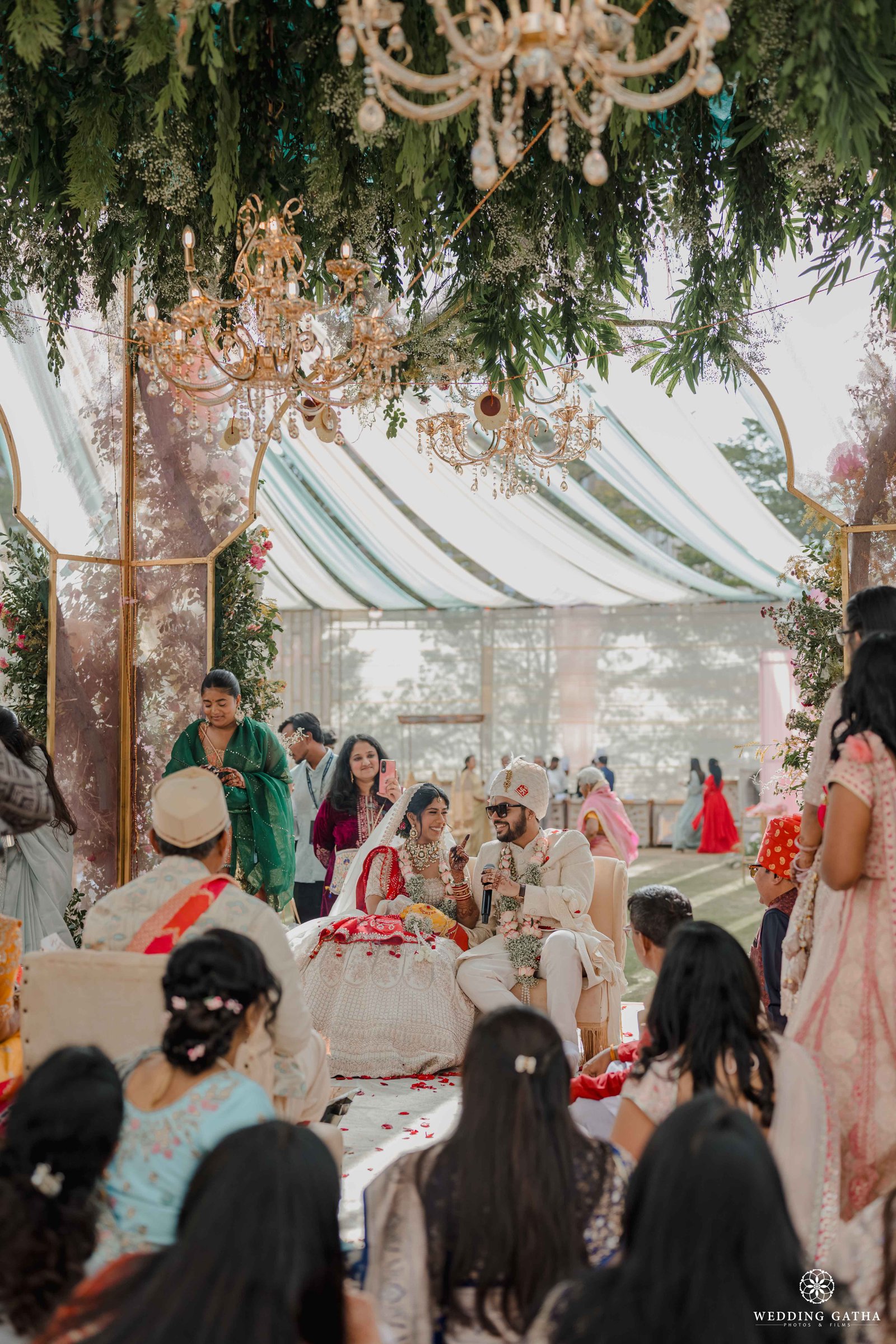
Somewhere between the sangeet playlist and the fourth outfit change, we forgot to question the one thing that actually matters at a wedding: the pheras. Not the entry, not the reception dance floor, not the drone shot of the venue — the seven rounds around the fire that legally, spiritually, and quite literally make two people married.
And somehow, that ritual is the one we've let get pushed to the most inconvenient hour of the entire event.
Why Night Weddings Exist (It's Not What You Think)
Here's a bit of history nobody really talks about: most old-school North Indian weddings were night weddings — not by aesthetic choice, but purely by tradition. Muhurats were calculated by pandits generations ago, based on planetary positions and auspicious timing charts that had absolutely nothing to do with how the bride's makeup would hold up by 2 AM, or whether the groom's family flying in from out of town would even be awake for it. It was never about ambience. It was about astrology.
And somewhere down the line, we just kept doing it. Not because it made sense anymore, but because "yeh toh hota hi aisa hai" — this is just how it's done.
Let's give night pheras their due, though, because they're not without charm. There's something undeniably cinematic about a mandap lit entirely in fairy lights and diyas, the hush of a quieter hour, the way the smoke from the havan catches the light just right. It photographs moodily, it feels intimate, and for some couples, that late-night hush genuinely is the vibe they want.
"By the time phera number five rolls around, half the baraat has quietly disappeared to find a chair, the kids are asleep on someone's shoulder, and the couple themselves are running purely on adrenaline, sugar, and waterproof eyeliner."
What's supposed to be the emotional peak of the wedding becomes a race against everyone's exhaustion. Guests aren't watching in wonder — they're watching the clock. And that changes the entire energy of the room, whether we admit it or not.
Day Pheras Operate on a Different Frequency
The sun is up, the guests are up, and — this is the important part — everyone is actually there. Not just physically present in their seats, but mentally and emotionally tuned into what's happening in front of them. There's no fog of fatigue clouding the room, no one silently willing the pandit to speed things up.
The couple isn't performing exhaustion-management while trying to look serene for the cameras — they're genuinely present for what might be the most important seven minutes of their lives.
The Photography Argument (And It's a Strong One)
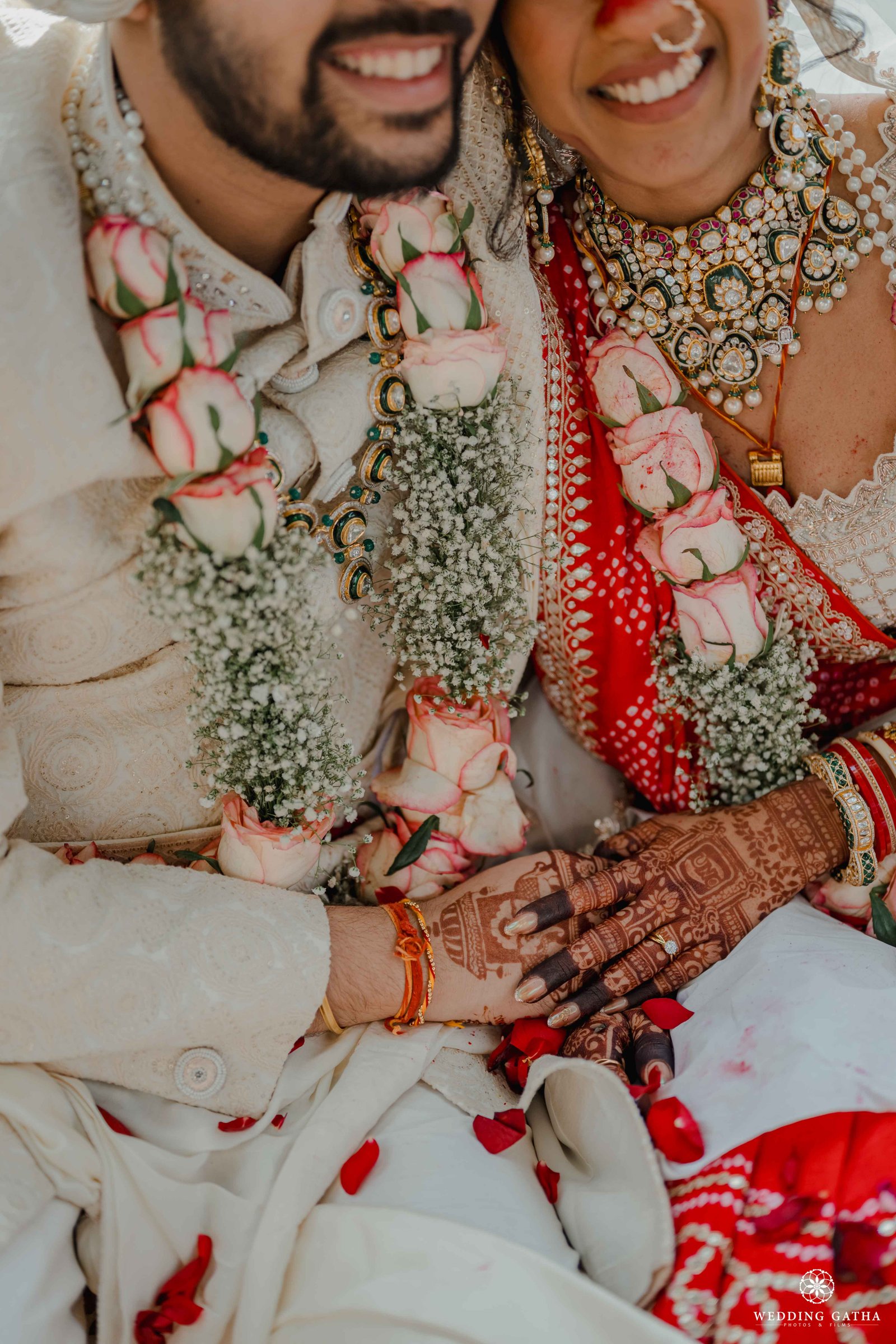
Natural light does something to a frame that no ring light, moody LED rig, or expensively diffused setup can replicate. It's soft on skin tones, rich on jewellery, and forgiving in ways artificial light simply isn't.
The candid, unposed shots — the ones that end up as the couple's favourite, the one that gets blown up and framed, the one your photographer sends as a preview because they know it'll make you cry — those happen far more often in daylight than under string lights and flash.
"Think about every Bollywood wedding you've ever swooned over. The soft-focus mandap shots, the golden warmth on the bride's face — nearly all of it is shot in daylight. That look isn't a filter. It's the sun."
If that's the aesthetic everyone's chasing on their moodboards, it's worth asking why we're still scheduling the actual ritual for a time when that light doesn't exist.
What Couples Won't Say Out Loud
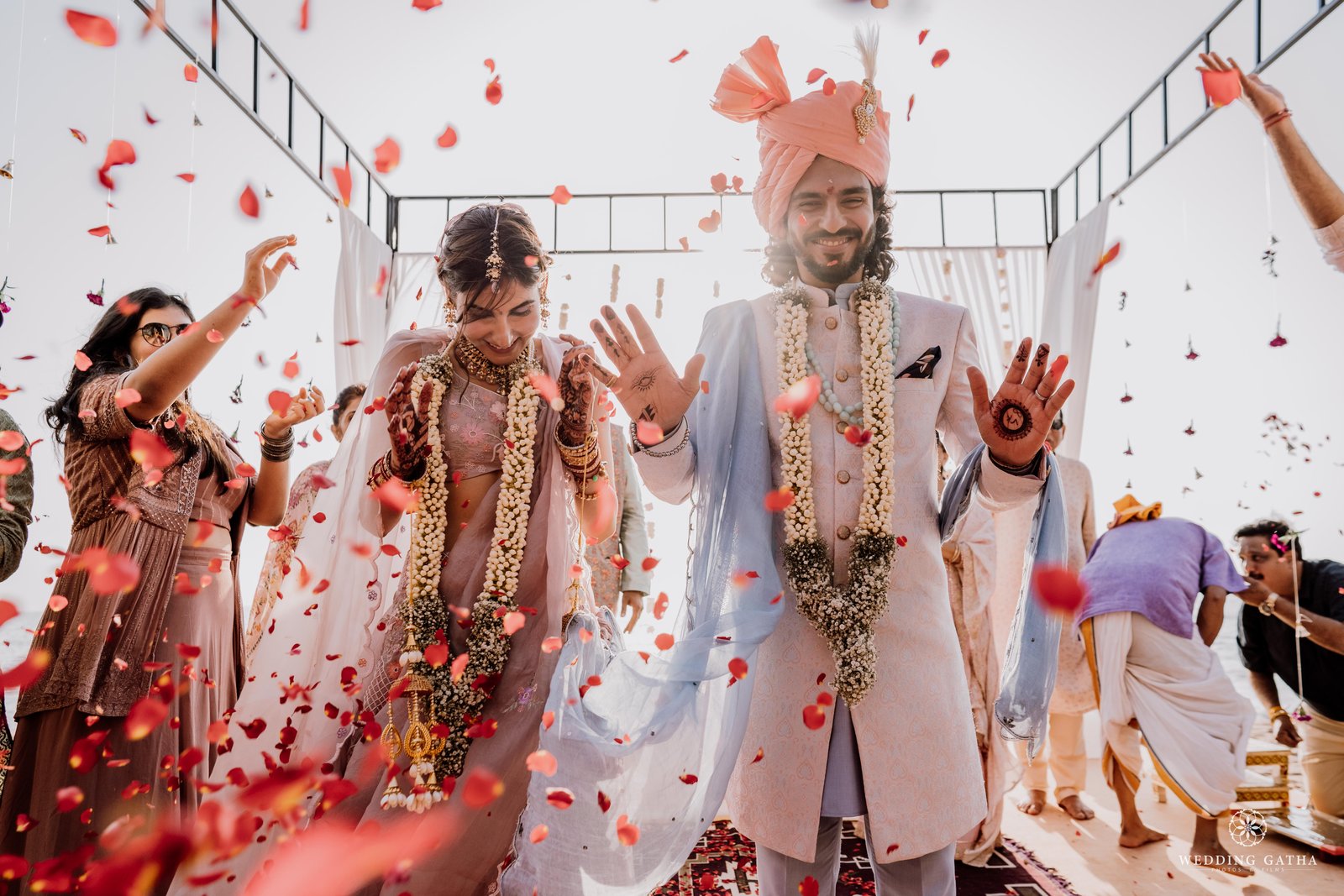
Ask any couple who got married at night — genuinely ask them, off the record — and a surprising number will admit it was exhausting. Not the marriage. The moment. The one ritual meant to be the heart of the entire wedding often gets reduced to a formality, sandwiched somewhere between dinner service and the last song of the night, watched by a half-present crowd and rushed along so everyone can finally go home.
Many couples would genuinely prefer a day wedding — but they give in. To a family elder who insists on the muhurat their pandit gave them. To the idea that "this is how it's always been done." To the discomfort of pushing back on tradition during an already emotionally loaded planning process.
If you actually have the flexibility to choose your timing, it's worth having that conversation before you default to whatever time is handed to you.
Gaudhulibela: Tradition and Practicality, Together
More couples today are finding their own middle ground. Gaudhulibela — the golden "cow-dust hour" right around sunset — has quietly become one of the more popular muhurat choices. It's got the sacred timing pandits still sign off on, the warm glowing light photographers dream about, and none of the exhaustion of a 1 AM ceremony.
It's tradition and practicality shaking hands.
Give It the Hour It Deserves
The pheras are the marriage. Everything else at a wedding is decoration around this one core moment: the outfits, the décor, the sangeet choreography, the reception toast. All of it is beautiful, and none of it is what actually makes you married.
This ritual deserves prime time. It deserves guests who are awake enough to witness it, photographers who have real light to work with, and a couple who is present enough to actually feel it happening — instead of just getting through it.
Give it the hour it deserves. Give it the light. Give it the love it was always meant to have.